
The right Nepal trek is the one that fits the days you have, the altitude you handle well and the time of year you travel. Short valley walks, long circuits and remote restricted-area routes all exist, so the question is less where to go than which trade-offs you accept. This guide walks through those choices step by step.
How do you choose among Nepal treks?
Start with three constraints and let the route follow from them: the number of days you can actually walk, how your body copes with height, and the season. Budget and appetite for solitude come next. Most disappointment on the trail comes from skipping this order and picking a famous name first.
Nepal gives you a wide spread of options. The range runs from easy, short outings to long, physically demanding journeys, and the country holds eight of the world’s fourteen highest mountains, so there is a trail for almost every level. That breadth is useful, but it also means a route that suits a friend may be badly wrong for you.
- Days available: a trek that needs two and a half weeks cannot be squeezed into one.
- Altitude tolerance: if you have never been high, favour routes that gain height gradually and leave room for rest days.
- Season: this decides views, trail conditions and how busy the lodges will be.
- Solitude: the best-known routes are the busiest; quieter alternatives exist but ask more of you logistically.
Write these four down before you read any itinerary. It sounds basic, yet it filters out most routes within minutes.
Five popular routes compared by length and character
Here is a side-by-side look at five routes that travellers search for most. Durations are the typical ranges quoted by operators, and your own pace will move them.
Everest Base Camp
This trek usually takes 12 to 14 days and begins with a flight to Lukla. You pass Sherpa villages, forest and suspension bridges hung with prayer flags. Acclimatisation days are essential, so treat any itinerary with no spare time as a warning sign. The separate piece on this site about the flight into Lukla explains why buffer days matter at both ends.
Annapurna Circuit
Often called the world’s best trek, this route takes roughly 18 to 21 days. The landscape changes from subtropical forest through alpine meadows to high-altitude desert, and the crossing of Thorong La is the hard part. It is the longest commitment on this list.
Langtang Valley
Around 7 to 10 days, and it lies just north of Kathmandu inside Langtang National Park. It suits people with a short window and a wish for something quieter than Khumbu. Gosaikunda Lake can be added for extra days.
Annapurna Base Camp
Reached from Pokhara, this walk covers about 115 kilometres and takes 7 to 12 days depending on route and pace. The camp sits at 4,130 metres. It is a sensible first high trek because the days are structured and the lodges frequent.
Manaslu Circuit
A less-trodden alternative to the Annapurna Circuit, passing close to the eighth-highest peak in the world. It asks for more experience and requires a Manaslu Restricted Area Permit before you start.
One important gap: the material available for this guide does not give reliable permit prices or a verified lodge-availability count for each route, so check current figures with a licensed operator or the official permit offices rather than trusting any single table, including this one.
When should you go: the two main windows
Two seasons dominate. Autumn, from September to November, and spring, from March to May, bring the clearest skies, steadier weather and the best mountain views. Many trekkers aim for October and November, or for March and April, which is the core of both windows.
The monsoon, June to August, is the season to avoid unless you are happy to walk in rain. Trails become slippery and, in places, dangerous, and views often vanish behind cloud. For a broader comparison across the whole range, see the site’s guide to choosing a Himalayan season.
What about the edges of the windows? Early autumn and late spring sit closer to the monsoon, so expect less certainty about clouds and wet ground. February and May can work for flexible travellers, but they trade reliability for fewer people. No temperature or snow figures are available here, so the safest advice is to plan buffer days, carry proper layers and ask your operator what the trail looked like in recent weeks.
How do altitude and fitness shape the choice?
Fitness helps you enjoy the walking, but it does not protect you from altitude sickness. Two equally fit people can react very differently to height. That is why the common advice is to ascend slowly and build in rest days for acclimatisation, particularly on Everest Base Camp and Manaslu.
Prepare your body with cardio and strength work beforehand, and prepare your mind too. Long days at height reward patience and a willingness to adjust the plan. If you are new to altitude, a shorter route with gradual gain is a better test than a famous high pass in your first week.
- Choose itineraries with spare days rather than a tight schedule.
- Drink water steadily and eat regular meals to keep energy up.
- Turn around or descend if symptoms worsen; a summit or pass is never worth it.
The site’s article on altitude sickness at height covers warning signs in more detail, and it is worth reading before you commit to a route.
Independent trekking or an agency in 2026?
This is where the answer depends on the route. Popular lodge-to-lodge treks are walked independently by many people, while restricted areas such as the Manaslu valley require a permit and are generally done through arrangements with a licensed operator. Always confirm current rules before booking, because regulations change.
Guides and porters add real value. A local guide offers cultural insight, helps on difficult terrain and adds a layer of safety, particularly on remote routes. A porter lightens your load so you walk with energy to spare, and hiring one also supports the local economy. For the more remote circuits, hiring a guide is a sound idea for safety as well as insight.
Whichever way you go, choose operators with care. Large commercial firms exist, and public records show that even well-known ones have faced fines and scrutiny over permits and safety, so ask direct questions about permits, insurance and how staff are treated. The site’s piece on porters and guides sets out what a fair arrangement looks like.
Verified 2026 price comparisons between independent and agency trips are not available here, so request itemised quotes and compare what each includes: permits, transport, lodging, meals and staff.
Gear and trail habits that matter on any route
Do not skimp on equipment. You need sturdy, broken-in hiking boots, warm layers, a quality sleeping bag and waterproof gear, because weather at height can change fast.
Lodges, often run by local families, offer simple rooms and meals along the main trails. Staying in them and buying from local shops keeps money in the villages you pass through. A day-by-day look at what to expect is in the teahouse day article.
Finally, walk lightly. Follow Leave No Trace principles, avoid plastic waste, dress modestly in villages and follow local customs. Respecting the places you cross is part of trekking well, and it makes the walk better for the next person too.
Frequently asked questions
How many days do I need for a Nepal trek?
Langtang Valley takes roughly 7 to 10 days, Annapurna Base Camp 7 to 12 days, Everest Base Camp 12 to 14 days and the Annapurna Circuit 18 to 21 days. Add buffer days for weather and acclimatisation.
What is the best time of year for Nepal treks?
Autumn (September to November) and spring (March to May) offer the clearest skies and steadier weather. The monsoon from June to August brings slippery trails and is best avoided.
Do I need a permit for the Manaslu Circuit?
Yes. The Manaslu Circuit needs a Manaslu Restricted Area Permit before you start. Confirm current requirements and costs with a licensed operator.
Should I hire a guide or porter?
A guide adds safety and cultural insight, especially on remote routes, and a porter lightens your load. Both also support the local economy.
Related reading
- Annapurna Base Camp: Into the Sanctuary in Seven to Ten Days
- Sagarmatha National Park Location: Where It Sits and What It Encloses
Sources
- Top 10 classic Treks in Nepal (Updated 2025) – Mount Mania (mountmania.com, accessed 2026-11-23)
- Experience the Thrill of Trekking in Nepal (expeditionnepal.com, accessed 2026-11-23)
- Seven Summit Treks — Wikipédia (en.wikipedia.org, accessed 2026-11-23)
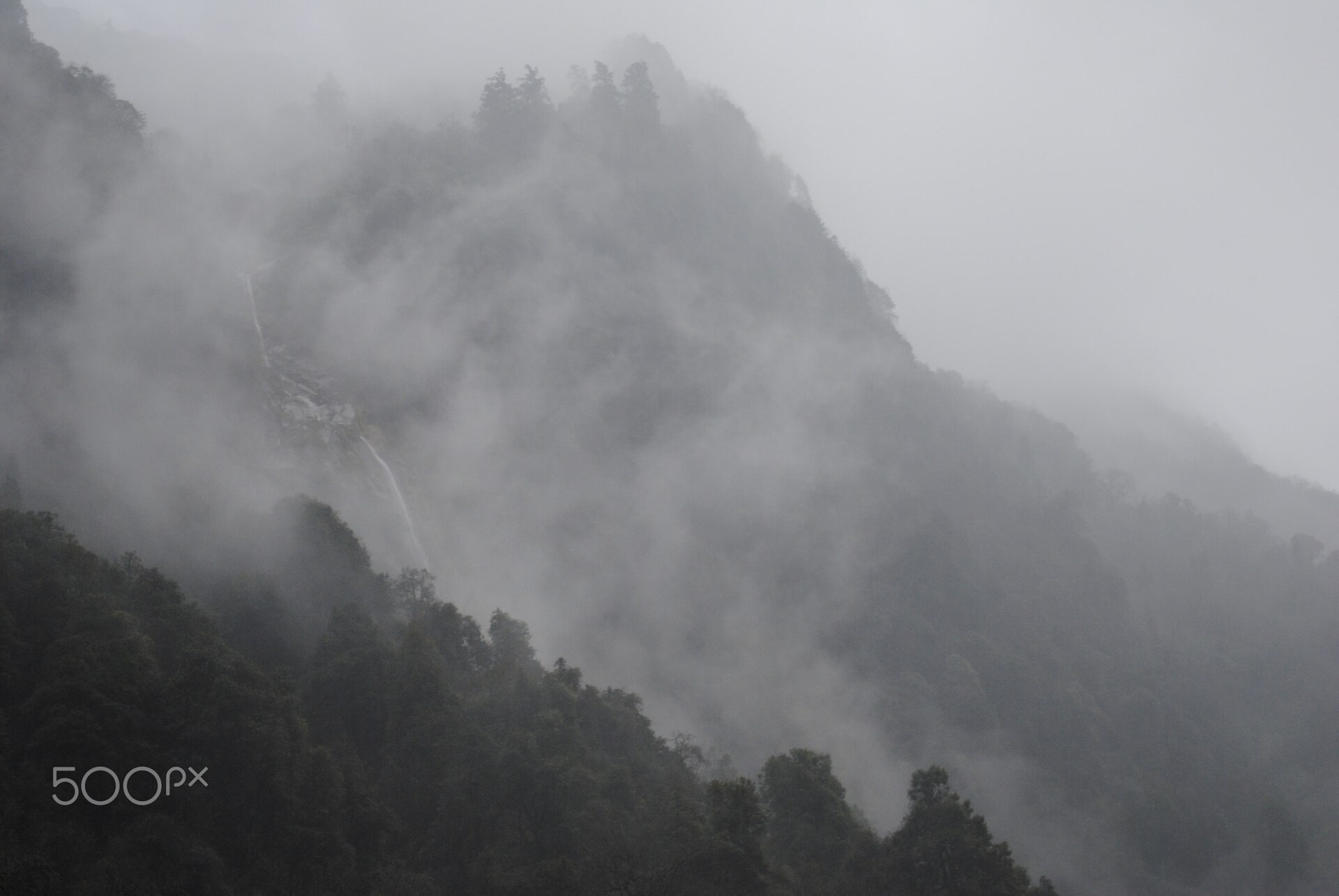
Photo: Nepal Himalayas, by Жанна Сорокина, CC0 (Wikimedia Commons)